Celebrate Texas Native Plant Week by Visiting Our Garden at the EOC
Posted on October 14, 2026 by Carolyn Campos
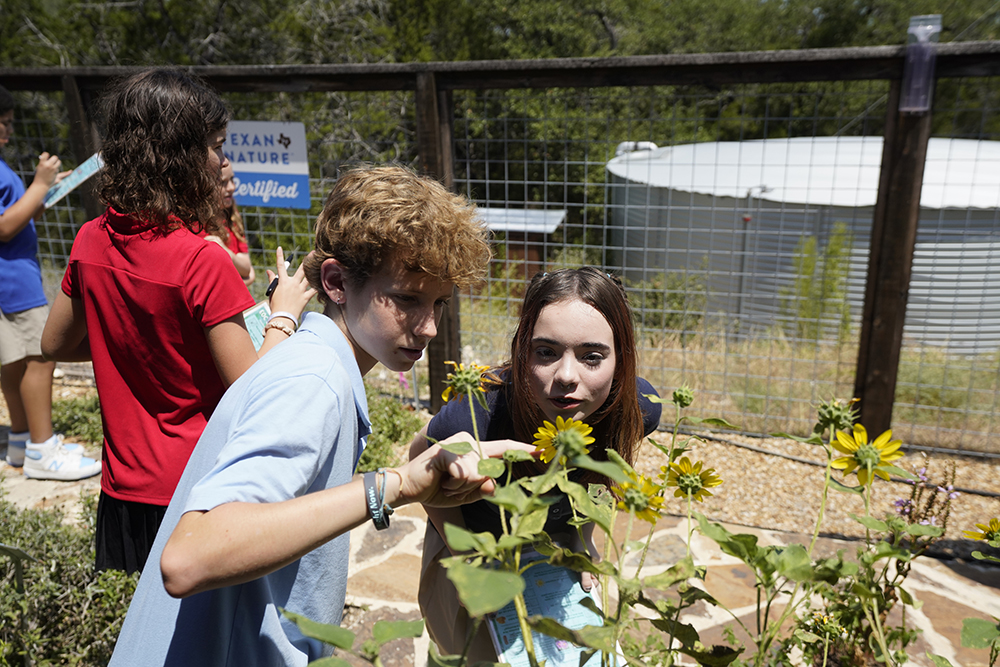
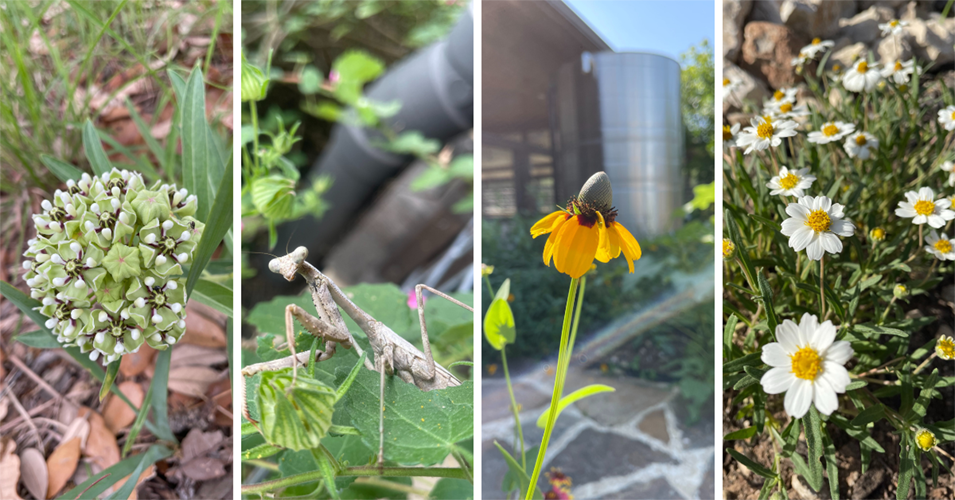
Did you know the Education Outreach Center (EOC) is home to a garden filled with native Texas plants? From trees and wildflowers to native grasses, the garden showcases species that naturally occur along the Balcones Escarpment and play an important role in local ecosystems.
With support from partners such as the San Antonio River Authority and dedicated volunteers, the EOC has created a sustainable demonstration garden that highlights the native plants and wildlife that help shape our region. Each plant is paired with an identification sign, making it easy for visitors to learn about species they may recognize from their own neighborhoods.
The garden is more than a beautiful outdoor space. It demonstrates how native landscaping can support wildlife while helping conserve water. Because native plants are adapted to local soil, rainfall patterns, and climate conditions, they often require less supplemental irrigation and maintenance than non-native species.
The EOC garden also features a rainwater harvesting system that captures runoff from the building’s roof and stores it in a 20,000-gallon cistern. Water is then transferred to a 1,000-gallon cistern that supplies a drip irrigation system during periods of drought. Together, these features create a living example of sustainable landscaping and inspire visitors to create outdoor spaces that benefit both people and wildlife.
A Brief History of Texas Native Plant Week
Texas Native Plant Week was established in 2009 when the Texas Legislature officially designated the third full week of October to recognize the important role native plants play in conservation and environmental education. The effort was championed by the Native Plant Society of Texas in partnership with state leaders, with the goal of encouraging Texans to learn about, appreciate, and protect the state’s native plant heritage. Today, communities across Texas celebrate with educational programs, native plant sales, guided walks, volunteer projects, and opportunities to explore the rich diversity of native landscapes found throughout the state.
What Makes a Plant Native?
If you’re unsure what qualifies a plant as native, you’re not alone. A native plant is one that occurs naturally in a particular region without human introduction.
Texas is especially fascinating because it contains a remarkable diversity of ecoregions, including deserts, mountains, forests, prairies, plains, and wetlands. Conditions vary significantly across the state, which means a plant that is native to one area of Texas may not naturally occur in another. Understanding your local ecoregion can help you choose plants that are best suited to your landscape.
Plants introduced outside their natural range are considered non-native. Some non-native plants become naturalized and coexist with local ecosystems, while others become invasive. Invasive plants spread aggressively and can outcompete native species for sunlight, water, nutrients, and space.
When invasive plants replace native vegetation, wildlife may lose important food sources, shelter, and breeding habitat. Choosing native plants helps maintain the ecological relationships that local species depend on for survival.
Why Do Native Plants Matter?
Native plants have evolved alongside local wildlife and environmental conditions for thousands of years. Because they are adapted to regional soils, rainfall, and temperature patterns, they often require less water, fertilizer, and maintenance than many non-native landscape plants.
They also provide essential resources for wildlife, including food, shelter, nesting sites, and breeding habitat. Native plants support birds, butterflies, bees, and other pollinators while helping maintain biodiversity and healthy ecosystems.
A Safe Place for Monarch Butterflies
The EOC is located along the migration route of the monarch butterfly, making native habitat especially important. The garden has been designated as a Monarch Waystation, meaning it provides the milkweed, nectar plants, and shelter monarchs need to rest, feed, and reproduce during their migration between Canada and Mexico.
Think of it as a rest stop for monarchs making one of the world’s most remarkable migrations. The garden has also earned certification from Texas by Nature in recognition of its conservation efforts.
Unlike conventional landscapes that often rely on non-native plants and intensive watering, native gardens can provide beauty, habitat, and water savings while requiring less maintenance over time.
Celebrate with Us
This Texas Native Plant Week, we invite you to visit the EOC garden, explore the diversity of native Texas plants, and discover how small changes in your own landscape can make a lasting difference for wildlife and water conservation.
Whether you are an experienced gardener, a nature enthusiast, or simply curious about the plants that make our region unique, the EOC garden offers an opportunity to connect with the natural heritage of the Edwards Plateau and Balcones Escarpment. Even small changes, such as adding a few native plants to your yard, can help conserve water, support pollinators, and create valuable habitat for wildlife. Native plants are an investment in healthier ecosystems and a more sustainable future.
Together, we can help ensure that native plants and the wildlife that depend on them continue to thrive for generations to come.
June marks the official start of summer – and one of the most fascinating astronomical events of the year: the summer solstice. This annual milestone happens when Earth’s tilt is at its maximum toward the sun, giving the Northern Hemisphere its longest day and shortest night of the year. This year, the summer solstice arrives on June 20th at 3:50 p.m. CDT.
Posted on November 5, 2026 by Trinity EspinozaNovember 8th Marks the annual celebration of STEAM Day, a national day recognizing and celebrating all things STEAM. Have you ever heard of STEAM or STEM? Read on and we'll break it down for you!S - ScienceT - TechnologyE...


0 Comments