
Well, Well, Well – Celebrating National Groundwater Awareness Week
Posted on March 5, 2026 by Savannah Headen
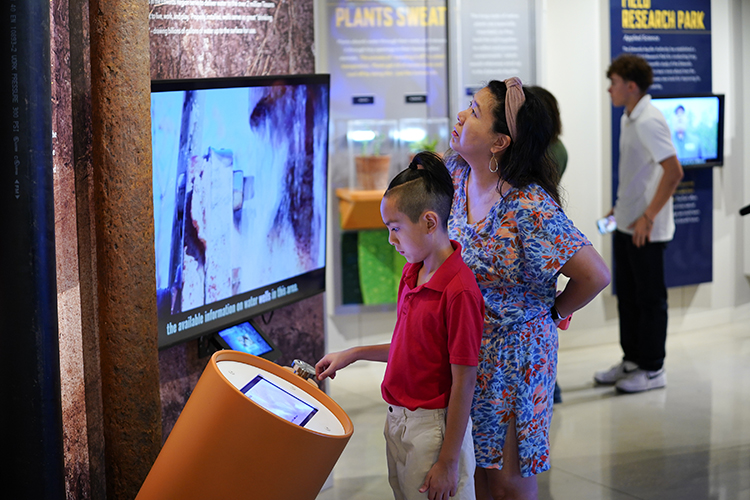
Good Well vs Bad Well exhibit
Each year during the second full week of March—this year, March 8–14—the EAA Education Outreach Center celebrates National Groundwater Awareness Week, a time dedicated to recognizing the importance of caring for and protecting our groundwater resources. The week also serves as a reminder for private well owners to perform routine maintenance. Understanding how your well works helps ensure it continues providing safe drinking water for years to come. While many households and farms rely on private wells, the rest of us depend on public water systems that pump from surface or groundwater sources, making groundwater stewardship important for everyone.
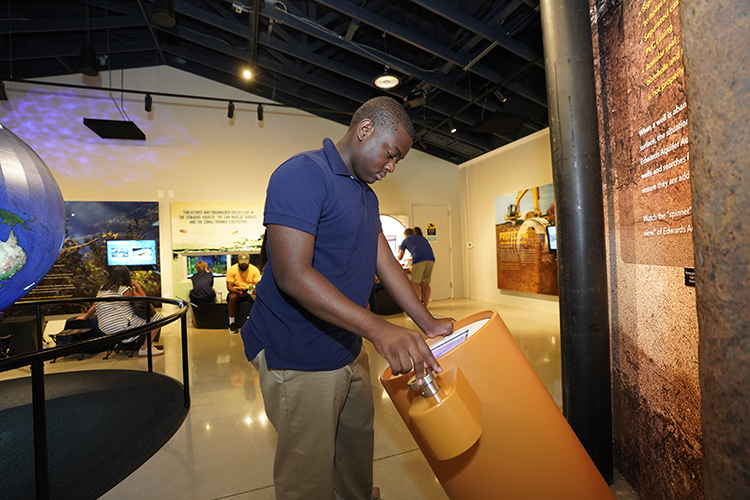
At the EAA Education Outreach Center, visitors can explore the very tool that gives us access to groundwater: water wells. Our Good Well/Bad Well exhibit lets guests operate a real well‑inspection camera recording, offering a unique, hands‑on look into a well’s interior. Through this experience, visitors learn how professionals assess well structure and why routine testing and maintenance are essential to keeping water clean and safe.
- Municipal Water Use
Municipal use includes the water delivered to homes and businesses for everyday activities like showering, washing dishes, gardening, and cleaning. Simple conservation habits—shorter showers, turning off the tap while brushing teeth, repairing leaks, and using water‑efficient appliances—can significantly reduce household water use. - Industrial Water Use
Industries rely on water to manufacture products, cool equipment, clean facilities, and transport materials. Nearly everything we buy has a water footprint, from the paper we write on to the clothes we wear. Because water use can be costly, many industries invest in water‑saving technologies to reduce waste and operate more efficiently. - Agricultural Water Use
Agriculture is one of the largest water users in the country. Nearly half of U.S. water use supports irrigated crops and livestock. Groundwater plays a major role in growing the food we eat, including millions of acres irrigated nationwide. When you enjoy a meal, you’re also benefiting from the groundwater, people, and technology that helped produce it. - Recreational Water Use
In South Central Texas, groundwater-fed springs support some of our favorite activities—kayaking, fishing, tubing, swimming, and visiting water parks. Many regional rivers and recreational areas depend on spring flow from the Edwards and Edwards‑Trinity Aquifer formations. - And finally, there is a fifth, often overlooked use: environmental water. Groundwater sustains habitats for countless species, including endangered ones like Texas wild‑rice, the Fountain darter, and Texas Blind salamander. Wildlife on land and in water relies on healthy aquifer-fed ecosystems to survive.
Citations:
USDA. “USDA ERS – Irrigation & Water Use.” Usda.gov, 2018, www.ers.usda.gov/topics/farm-practices-management/irrigation-water-use.
More Posts
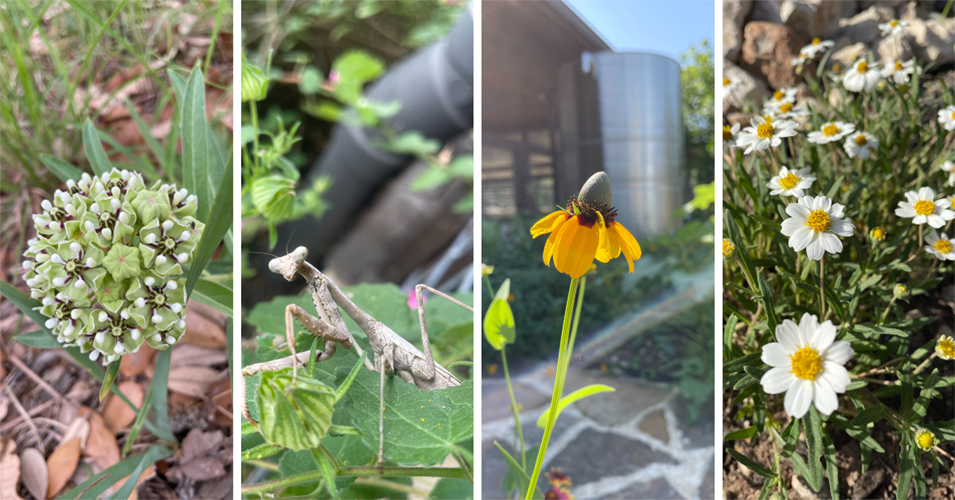
From Lens to Landscape: Tips for Our Rooted in Saving Water Photo Contest
June marks the official start of summer – and one of the most fascinating astronomical events of the year: the summer solstice. This annual milestone happens when Earth’s tilt is at its maximum toward the sun, giving the Northern Hemisphere its longest day and shortest night of the year. This year, the summer solstice arrives on June 20th at 3:50 p.m. CDT.
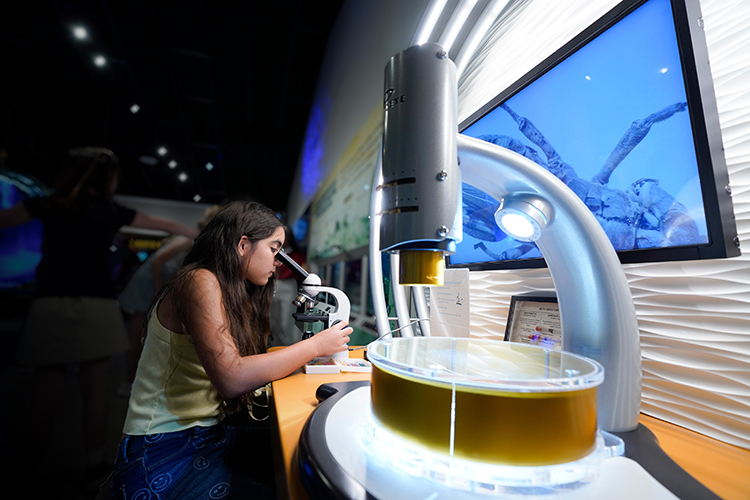
The EOC Celebrates International Day of Women and Girls in Science
This February 11th we are celebrating International Day of Women and Girls in Science. Originating in 2015, the purpose of this day is to spotlight and celebrate the contributions women have made in the field of science and inspire young girls. Here at the Edwards...
0 Comments