
STEAM Skills are Essential in Managing Water Resources
Posted on November 5, 2026 by Trinity Espinoza
S – Science
T – Technology
E – Engineering
A – Art
M – Math
STEAM skills are central to the Edwards Aquifer Authority’s (EAA) mission. The EAA Education Outreach Center (EOC) is the perfect place to celebrate National STEAM Day!
Essential in water management, STEAM skills are not only at the Edwards Aquifer Authority but in many other organizations that manage water resources. We won’t lie; this blog is going to be our biggest yet, but there is so much to highlight when talking about how STEAM skills are applied at the EAA. So, get ready for a deep dive into the amazing world of STEAM and how we use it to Mange, Enhance, and Protect the Edwards Aquifer!
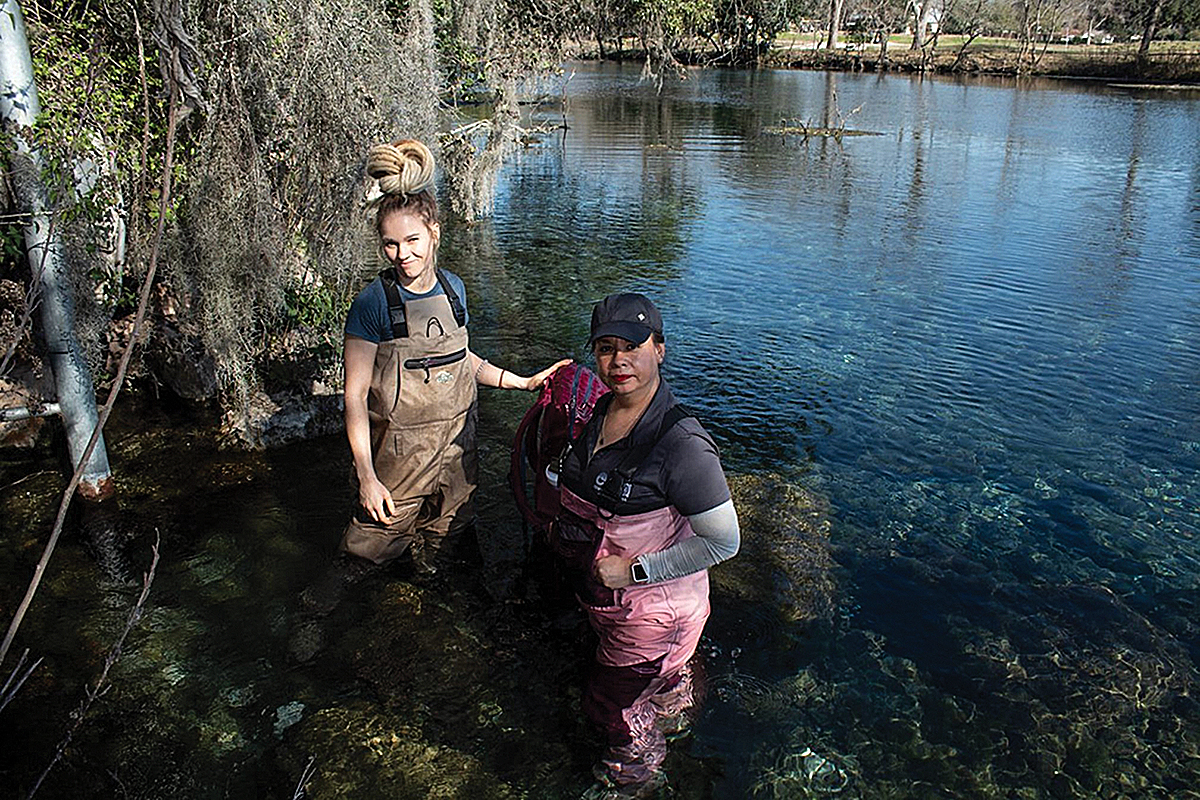
Environmental Science. Gizelle Luevano, Principal Geoscientist with an EAA intern.
Science
Learning about environmental science is the foundation of aquifer education at the EOC but also vital to work performed at the EAA. Water quantity and water quality are key metrics used to understand the state of the Edwards Aquifer. Skilled scientists collect water samples from multiple locations throughout the region from the contributing zone, recharge zone and artesian zone by way of water wells, spring outflows and rivers. Water wells are access points to the aquifer where scientists can measure the depth to the water table and collect samples from the aquifer. This measurement tells us if the water level has increased or decreased since our last measurement. Water levels in the Edwards Aquifer vary based on how much is pumped from the aquifer for use in homes, businesses, farms, ranches, and even factories. Water levels can also change with an influx of rainfall.
After water is collected, samples are brought back to the lab and tested by scientists for:
- Dissolved Oxygen – the amount of oxygen that is saturated in water is important for aquatic life. Meaning, this is the free oxygen available for aquatic animals like fish, salamanders, and benthic macroinvertebrates to use when breathing through their gills.
- Turbidity – the measurement of how clear or murky the water is. Suspended solids can be silt, clay, or even organic matter like algae. The murkier it is, the more difficulty aquatic life will experience in searching for food, breathing underwater or living in warmer conditions and having less oxygen available to them.
- Bacteria – The presence of heightened bacteria levels in water can be dangerous for humans who like to recreate in water. Recreation examples can be swimming, kayaking, tubing, or fishing in spring fed rivers. Bacteria and viruses are naturally present in water, but high amounts can be an indicator of low water quality.
Technology - Modeling Software, LiDAR, GIS, Drones and Information Technology OH MY!
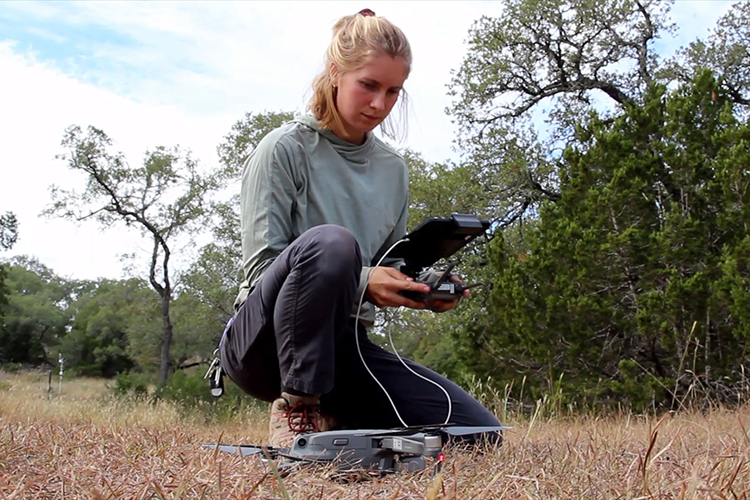
Modeling software peels back layers of earth to show what is beneath us and the shape of the land where we live, work, and go to school. Many types of technologies and software can be used together to create models and manage data that help inform our team on what is happening below ground. This can lead to better decision making, new discoveries, or reinforcement of theories or hypothesis. When developing the regional groundwater model of the Edwards Aquifer data from historic spring flows, water withdrawals from the aquifer, and map records are used to inform software. This will create a model using real-life data the EAA has collected for decades!
Using the same data, accurate maps can be created using Geographic Information Systems, or GIS. Mapping the aquifer can be just as important as creating 3D computer models. GIS can be used to show watershed boundaries. This is the area of land that will drain into a specific water body like the Edwards Aquifer and help recharge it. GIS can help show the exact locations of where the Contributing Zone, the Recharge Zone, and the Artesian Zone begin. This is helpful for making informed decisions about how land can be managed above the aquifer to help improve recharge of the aquifer.
Above ground, Light Detection and Ranging (or LiDAR for short) is a technology that is used at the EAA’s Field Research Park (FRP). Licensed scientists use drones to survey the area; this remote sensing is used to produce a map of the FRP detailing the landscape which otherwise cannot be seen under heavy vegetation. In combination with other data, this map can be used to inform changes over time and justify land management practices.
So, who do you call when you need help managing and protecting all this data? The IT department that’s who! Information Technology is the fastest growing career out there. Our IT staff help manage data and keep it protected with their amazing cyber security skills. They are much more than the person who helps plug in your computer or fixes something that physically or digitally broke. Every single organization who manages water resources has a mini army of people that manage IT tickets to address issues with hardware or software. They also manage all the servers that data is stored on. They can even rewire an entire office to improve connectivity. This is the perfect job if you like to work through problems in both the physical and digital world. If you like to think critically or have a knack for problem solving, this might be your cup of water. The IT world is ever changing and on the forefront of technology. Artificial Intelligence is the next wave of information technology that will require many IT folks to level up their skills as they use this new technology to streamline day-to-day problem solving.
Engineering
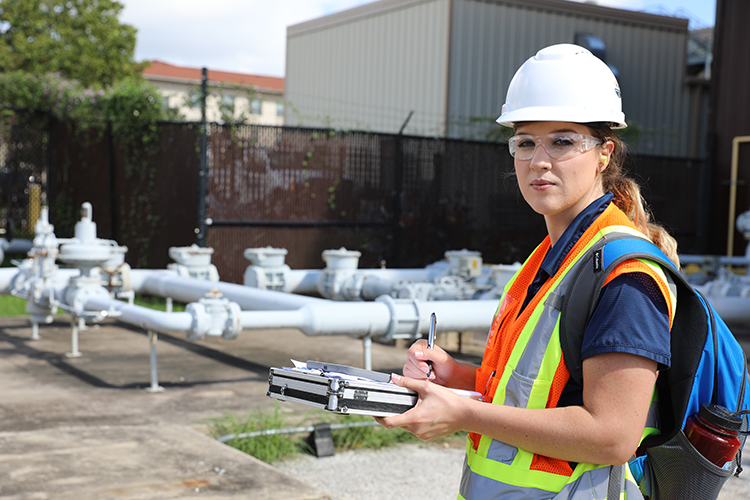
Groundwater Regulation. Laurel Torres, Groundwater Regulation Manager
Throughout the region, multiple entities are responsible for water management. After water has been permitted to be pumped out of the Edwards Aquifer, there are many systems which must work together for water to be used in your home, workspace, and everywhere else we may visit. All the processes and systems which bring clean water to you (and unwanted water away) are designed by water resource engineers! Water treatment facilities, water towers or storage tanks, pipelines, storm drains, and more are designed by engineers. These engineers must consider many aspects when designing these facilities including federal, state, or city regulations, water flow calculations, water pressure requirements, water availability vs. demand, water reclamation, and so much more! Collaboration is crucial in the creation of these facilities; electricians, architects, and civil engineers will all work together to ensure a safe and efficient system.
Art
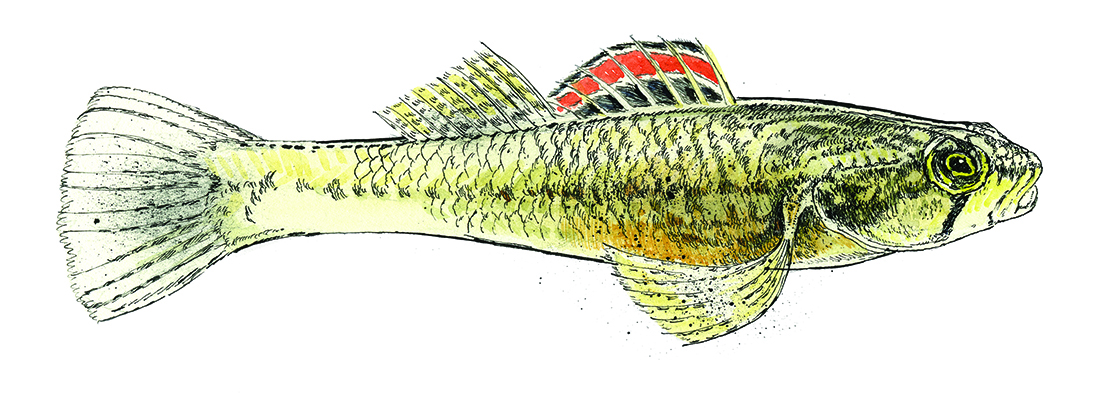
Even something as simple as the EAA logo must be carefully crafted by our creative design team! These forms of art are not only beautiful but essential in engaging with the public about current aquifer knowledge.
Math
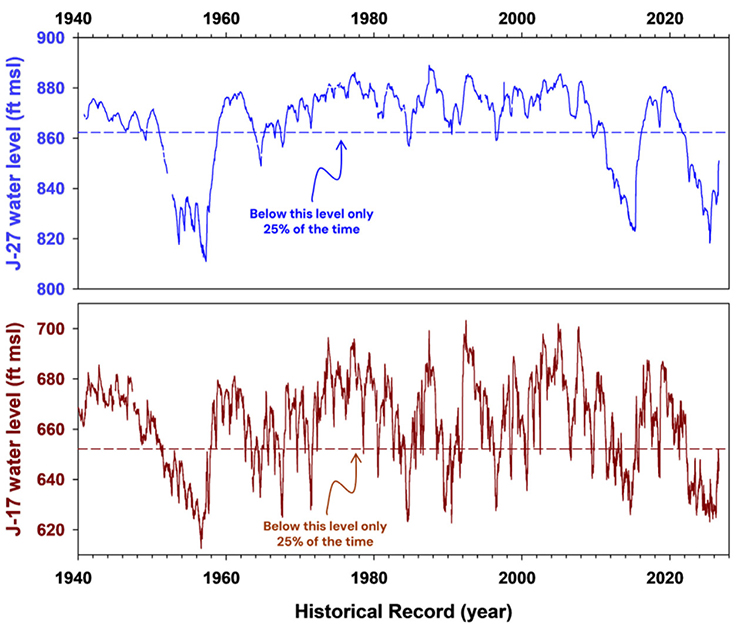
Across the hall, a different kind of budgeting takes place with the Aquifer Science team- water budgeting. They use computer software to create aquifer models. An Aquifer model takes numerical data and creates a mathematical representation of the aquifer’s behavior. The team takes large historical data sets which include water input, water output, flow, and weather conditions, then feeds the data set to the aquifer modeling software. The software utilizes equations and calculations to predict aquifer behavior. Scientists must compare model predictions against known historical conditions to ensure model accuracy. Using these calculations, the model can estimate future spring flow rates based on given conditions including possible long-term droughts, floods, increased population needs, and weather patterns. These predictions can be used to calculate the required pumping restrictions and voluntary irrigation suspensions needed to ensure spring flow is available for endangered species. Balancing our water budget is key to ensuring sustainable water use for all constituents!
Thank you for reading until the end. As you can see, STEAM or STEM skills are in high demand and very important to our modern workforce. We only mentioned a few of these skills that are in abundant use within the Edwards Aquifer Authority.
STEAM encompasses so many types of skills, there is so much to learn! Even more, according to the U.S. Bureau of Labor Statistics, STEM professions are expected to grow at a faster rate than non-STEM professions. This means that job opportunities are increasing in the field! Whether you want to work with animals, in the medical field, information technology, science and so much more, there is something waiting for you.
Check out the kinds of STEAM careers you can have at the Edwards Aquifer Authority by reviewing our job categories here.
More Posts
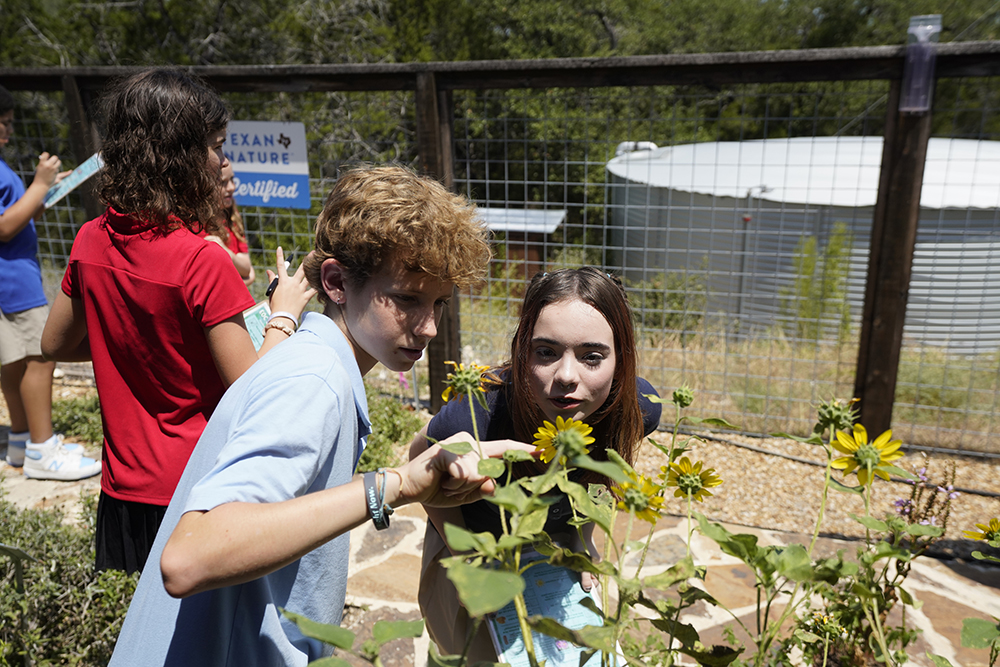
Posted on October 14, 2026 by Carolyn CamposDid you know the Education Outreach Center (EOC) is home to a garden filled with native Texas plants? From trees and wildflowers to native grasses, the garden showcases species that naturally occur along the Balcones...

2025 was a year of many new additions and great achievements for our center! New faces, new exhibits and a milestone number of visitors are just some of the highlights of the year!The EOC achieved a remarkable milestone this year, reaching over 10,000 visitors! On...
0 Comments